
Introduction and Conceptual Overview of Bathroom Planning Trends
In modern interior architecture, Bathroom Designs have become one of the most essential aspects of home improvement and lifestyle enhancement. People today do not see bathrooms as just functional spaces; instead, they are treated as personal wellness zones where comfort, hygiene, and aesthetics meet. The evolution of Bathroom Designs reflects how homeowners are increasingly investing in creating spa-like environments within limited residential spaces. From compact apartments to luxury villas, every property now focuses on innovative bathroom aesthetics that combine practicality with visual appeal. Designers are exploring minimalism, smart storage, natural lighting, and sustainable materials to create unique experiences. A major shift is also visible in how technology is being integrated into bathrooms, including smart mirrors, sensor-based lighting, and water-saving systems. Within this transformation, bathroom design services play a crucial role in helping homeowners achieve customized solutions that match their space and budget requirements.
Today’s interior industry is driven by personalization and functionality. The growing demand for aesthetic yet practical washroom spaces has increased attention toward layout optimization and ergonomic planning. Professionals are focusing on balancing space utilization with visual harmony, ensuring that even small bathrooms appear spacious and elegant. The rise of modular fittings, wall-mounted storage, and
concealed plumbing systems has redefined modern bathroom expectations. Additionally, environmental concerns have encouraged the use of eco-friendly materials and water-efficient fixtures. These developments make bathroom renovation a critical part of home improvement projects. Designers also emphasize mood-based styling, where lighting temperature and texture selection contribute significantly to relaxation and comfort. Whether it is residential or commercial spaces, the goal is to create bathrooms that offer both luxury and usability without compromising on durability or maintenance ease.
Another important aspect in modern planning is the integration of technology-driven solutions that simplify daily routines. Automated ventilation systems, anti-fog mirrors, and touchless faucets are becoming increasingly common. Homeowners are also exploring creative themes such as Scandinavian simplicity, industrial chic, and tropical spa styles to enhance visual appeal. Ultimately, Bathroom Designs represent a blend of creativity, engineering, and lifestyle needs, shaping how people experience one of the most frequently used spaces in any building.
Modern Styling Approaches and Functional Innovations
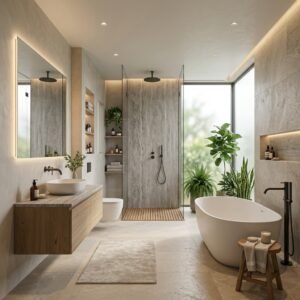
Contemporary bathroom architecture is increasingly influenced by sustainability and intelligent space usage. One of the most popular trends includes eco friendly bathroom interior solutions that focus on reducing environmental impact while maintaining aesthetic appeal. These solutions prioritize recycled materials, water-saving systems, and energy-efficient lighting. Designers are now integrating nature-inspired elements such as wooden textures, stone finishes, and indoor plants to create calming environments. The concept of green living has made bathrooms more responsible and efficient without sacrificing luxury. Additionally, eco friendly bathroom interior solutions are becoming a standard requirement in new construction projects, as homeowners seek long-term cost savings and environmental balance.
Another growing trend involves optimizing small spaces with smart layouts and multi-functional fixtures. Many urban homes require compact bathroom designs that still feel open and comfortable. This has led to innovative shelving, hidden storage compartments, and foldable elements that maximize usability. The importance of proper spacing and visual balance is now more critical than ever. Designers also consider color psychology when planning interiors, using soft tones to enhance relaxation and darker shades for depth and elegance. Lighting plays a major role in enhancing visual appeal, with layered lighting systems creating both functionality and ambiance. Furthermore, digital design tools are helping architects visualize layouts more accurately before implementation.
In addition, eco friendly bathroom interior solutions are often paired with modern technology to create smart and sustainable environments. These integrations allow homeowners to monitor water usage and energy consumption effectively. With increasing awareness about environmental responsibility, such designs are no longer optional but essential for future-ready homes. The concept of spatial harmony is also strengthened through proper planning, ensuring every element has a purpose. The keyword layout becomes significant here, as it defines the overall usability and flow of the bathroom environment.
Material Selection and Aesthetic Development Techniques
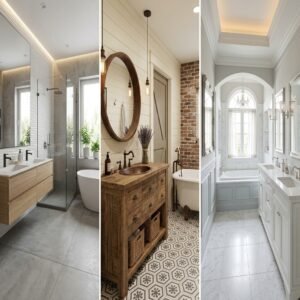
Material selection plays a vital role in shaping the overall appeal of bathroom interiors. Modern Bathroom Designs frequently explore advanced surface finishes, durable ceramics, and textured wall treatments to enhance visual depth. One of the most influential trends in this category is luxury modern bathroom renovation ideas, which emphasize elegance combined with high-end functionality. These ideas include marble countertops, frameless glass showers, and designer lighting fixtures that elevate the overall atmosphere. The focus is on creating a spa-like environment where comfort and luxury coexist. luxury modern bathroom renovation ideas also encourage the use of premium materials that are both durable and visually striking, ensuring long-term satisfaction.
Tile selection is another critical component of Bathroom Designs aesthetics. Patterns, colors, and textures of tiles significantly influence the perceived size and mood of the space. Glossy finishes are often used to reflect light, while matte textures provide a subtle and sophisticated look. The combination of different tile designs allows for creative expression and personalization. In many cases, homeowners prefer mixing natural stone tiles with ceramic surfaces to achieve a balanced look. Additionally, underfloor heating systems are becoming more common, enhancing comfort during colder seasons.
The idea of luxury modern bathroom renovation ideas also extends to lighting and decorative elements. Accent lighting, LED strips, and statement mirrors contribute to a refined atmosphere. Designers often repeat the concept of luxury modern bathroom renovation ideas to emphasize consistency in style planning and execution. Meanwhile, tile selection remains central to durability and hygiene, making tiles an essential aspect of both function and design. The use of tiles ensures easy maintenance while offering endless creative possibilities. Additionally, tiles help define zones within the bathroom, separating wet and dry areas effectively.
Smart Fixtures and Utility Enhancement Concepts
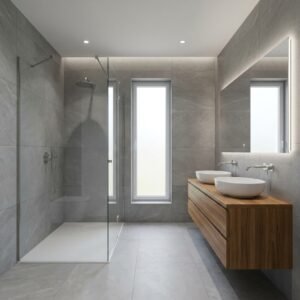
Modern Bathroom Designs heavily rely on advanced utility systems that improve daily convenience and efficiency. One of the most significant components in this evolution is the use of intelligent fixtures that combine design with functionality. These fixtures include sensor-based taps, water-efficient showerheads, and smart toilets that enhance hygiene and reduce water consumption. The integration of such fixtures ensures that modern bathrooms are not only stylish but also environmentally responsible and technologically advanced. Homeowners increasingly prefer durable and innovative fixtures that reduce maintenance while offering long-term performance benefits.
In addition to functionality, aesthetics also play a major role in selecting Bathroom Designs components. Sleek and minimal designs are preferred to maintain a clutter-free environment. Wall-mounted installations are especially popular because they create the illusion of more space. Proper placement of fixtures ensures ease of movement and enhances usability. Lighting around fixtures also adds a modern touch, highlighting their design and improving visibility. Designers are focusing on seamless integration where every fixture contributes to both practicality and visual harmony.
Moreover, the concept of water conservation is closely tied to fixture selection. Modern systems are designed to reduce unnecessary water flow while maintaining performance efficiency. Smart technologies allow users to control pressure and temperature with precision, offering personalized experiences. These advancements reflect how bathroom spaces are evolving into intelligent ecosystems. The continuous improvement of fixtures ensures that bathrooms remain functional, stylish, and sustainable.
Spatial Organization and Design Evolution Trends
The evolution of Bathroom Designs spaces is strongly linked to spatial planning and user experience enhancement. Designers focus on creating smooth circulation paths that make movement within the bathroom effortless. Proper zoning ensures that wet and dry areas are clearly separated, improving hygiene and usability. Storage solutions are carefully integrated to avoid clutter while maintaining accessibility. The use of vertical space is also becoming increasingly popular, especially in smaller homes.
Color schemes and textures contribute significantly to mood creation. Soft neutral tones are often used to create calming environments, while bold accents add character and depth. The balance between simplicity and creativity defines modern bathroom aesthetics. Lighting continues to play a transformative role by enhancing textures and highlighting architectural details. Additionally, ventilation systems are optimized to maintain freshness and prevent moisture buildup.
Technology integration further enhances the functionality of bathroom spaces. Automated systems, smart controls, and digital interfaces are becoming standard features in modern homes. These innovations improve convenience while reducing manual effort. Designers are also experimenting with hybrid styles that combine traditional elegance with modern minimalism. The focus remains on achieving harmony between visual appeal and practical usage.
Bathrooms today are not just utility spaces but essential components of lifestyle expression. They reflect personal taste, comfort preferences, and design awareness. Well-planned interiors contribute significantly to mental relaxation and daily wellness. The growing importance of hygiene and self-care has further elevated the role of bathroom design in residential architecture.
User experience is enhanced through thoughtful planning and attention to detail. From lighting to material selection, every element contributes to overall satisfaction. Designers aim to create environments that reduce stress and promote relaxation. The integration of modern technology ensures convenience and efficiency in daily routines. Ultimately, bathroom spaces are evolving into personalized wellness zones that support modern living standards.
Final Design Integration and Future Outlook
The future of a Bathroom Designs toward highly intelligent and sustainable solutions. Designers are increasingly focusing on energy efficiency, smart automation, and eco-conscious material usage. The combination of aesthetics and functionality continues to shape modern expectations. With evolving trends, homeowners are seeking customized solutions that reflect their lifestyle needs.
In final consideration, maintaining a balance between innovation and comfort is essential. Proper ensures efficiency, while Bathroom Desings continues to influence high-end projects, and fixtures remain central to functionality. Overall, Bathroom Designs are evolving into highly personalized, technology-driven, and environmentally responsible spaces that define the future of modern living.